Urology Therapeutics on Strong Tracks through CHUK Surgical Outreach
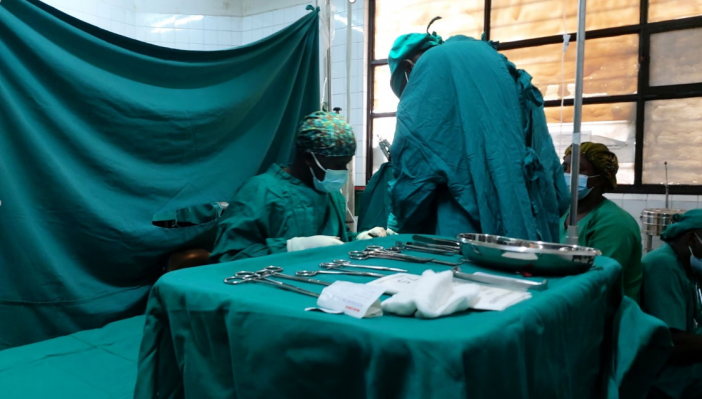
The University Teaching Hospital of Kigali (CHUK) has progressively developed its surgical outreach program over the past five years, initially focusing on general and orthopedic surgery and gradually expanding into diverse sub-specialties, including Urology. The outreach program now treats 7–10 patients daily, addressing conditions such as urethral stenosis, congenital hydrocele, undescended testicles, hernias, and prostate cancer, particularly among children and older adults.
Through careful patient screening and preparation, the program has improved diagnostic protocols and optimized urology therapeutics, ensuring high-quality care for patients who would otherwise face long waiting times.
International Expertise and Local Skills Transfer
Urologist surgeons participating in the outreach, including Dr. Alex Bonane, work alongside CHUK teams at district hospitals such as Gisenyi. Their goal is not only to treat patients but also to transfer knowledge and skills to local healthcare professionals. Dr. Bonane emphasizes the importance of advanced training to utilize modern equipment, noting that while Rwanda has developed the necessary medical infrastructure, specialized expertise remains essential. Currently, at least ten urologists contribute to surgical outreach efforts, with the long-term goal of having at least one urologist stationed in each district hospital.
Sister Dancilla Nyirasebura, Matron of the Surgical Theatre and ICU, highlighted the importance of conducting outreach twice a month, allowing more cases to be treated. She noted, however, that expanding the program requires increased budget support.
Understanding Key Urological Conditions
- Hydrocele: A buildup of fluid around one or both testicles. Congenital hydroceles usually resolve naturally within 6–12 months, but surgical intervention (hydrocelectomy) may be necessary.
- Undescended Testicles (Cryptorchidism): When one or both testicles fail to descend into the scrotum. Untreated, this condition can impact fertility and increase the risk of testicular cancer in adulthood.
- Prostate Cancer: Early warning signs include bone pain, spinal compression, painful urination, erectile dysfunction, and blood in the urine. Screening includes digital rectal exams and further diagnostic tests as needed. Lifestyle interventions, including diet and physical activity, are also critical for prevention.
Leadership Perspective
The Medical Director at Gisenyi Hospital, Chief Superintendent of Police, Dr. Oreste Tuganeyezu, praised the surgical outreach program for delivering quality healthcare to previously underserved populations. He highlighted the program’s contribution to continuous capacity building, effective cooperation among stakeholders, and a customer-oriented approach.
Dr. Tuganeyezu also noted challenges, including inadequate medical equipment, insufficient specialized staff, and infrastructure gaps in district hospitals. Despite these hurdles, the program has grown, with each medical camp serving 130–150 beneficiaries, and opportunities for skills transfer, revenue generation, and healthcare promotion.
He emphasized the need to intensify outreach efforts, recommending four medical camps per hospital annually, coupled with preventive health campaigns via radio, TV, and community education. These initiatives ensure a comprehensive package of treatment and prevention while raising public awareness and engagement in healthcare.